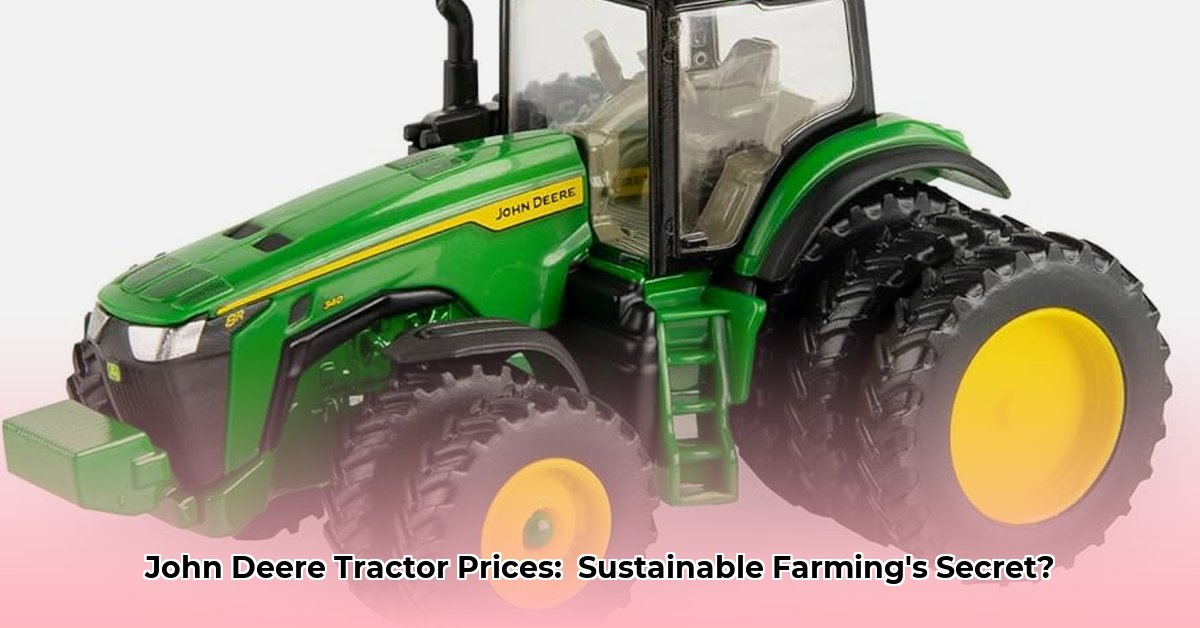
Finding the right John Deere tractor requires careful consideration of several factors. This guide clarifies the price landscape, offering actionable advice for both small and large-scale farmers, emphasizing sustainable practices and long-term cost-effectiveness. John Deere tractor prices range widely, from tens of thousands to hundreds of thousands of dollars, depending on factors like horsepower, size, features, and whether it's new or used. For used tractor values, check out this helpful resource: Used Tractor Values.
Understanding John Deere Tractor Costs
Several key factors influence the price of a John Deere tractor. Understanding these helps you make an informed purchase.
- Horsepower: Higher horsepower equates to more power and capability, significantly impacting the price. A small farm might only need 40 horsepower, while a large operation may require upwards of 300.
- Size: Larger tractors generally cost more, reflecting their increased capacity. Consider the acreage you need to cover and the types of tasks you perform.
- Features: Advanced technologies like GPS guidance and automated systems add substantial cost. Evaluate whether these features are necessary for your operation or if a more basic model would suffice.
- New vs. Used: Purchasing a used tractor offers considerable cost savings, but thorough inspection is crucial.
Small-Scale Farming: Maximizing Value on a Budget
Budget constraints are common for small-scale farms. Here's how to find an affordable and efficient John Deere tractor:
- Explore the Used Tractor Market: Used tractors offer significant cost savings. Check online marketplaces and local auctions, always ensuring a thorough pre-purchase inspection by a qualified mechanic.
- Secure Financing: Farm credit programs and government loans can make purchasing more manageable. Research available options in your area. These options can dramatically improve affordability.
- Seek Subsidies and Grants: Several government and non-profit organizations provide financial assistance for farmers acquiring new or used equipment, particularly fuel-efficient models. Investigate programs relevant to your location.
- Prioritize Fuel Efficiency: Fuel costs are a significant ongoing expense. Choose tractors with proven fuel efficiency; this translates to long-term savings and reduced environmental impact. Consistent maintenance will further enhance this.
Large-Scale Farming: Investing in Efficiency and Technology
Large-scale farms often benefit from investing in advanced technologies to enhance efficiency.
- Automation: Automated guidance systems and other automation features increase productivity while often reducing labor costs. While the initial investment is higher, these technologies frequently deliver substantial returns on investment.
- Precision Farming: Precision agriculture technologies optimize resource use. GPS guidance, soil sensors, and other tools minimize waste, leading to higher yields and lower operating costs. Data analysis from these systems identifies further areas for optimization.
- Sustainable Practices: Sustainable farming practices are both environmentally responsible and economically advantageous in the long-term. Fuel-efficient tractors and reduced tillage techniques contribute to both cost-savings and reduced environmental impact.
Choosing the Right John Deere Tractor: A Step-by-Step Guide
Selecting the appropriate tractor involves a methodical approach:
- Assess Your Needs: Consider farm size, crop types, and tasks to determine the necessary horsepower and features. Careful consideration at this stage eliminates unnecessary spending.
- Set a Budget: Define a realistic budget, including financing and maintenance costs. Sticking to a budget prevents overspending and ensures a financially sound purchase.
- Prioritize Technology: Identify crucial technologies. GPS guidance might be essential for large farms, while smaller operations might find it less critical.
- Compare Models: Once you have a budget and prioritized features, compare comparable John Deere models. Thoroughly research each model's features, horsepower, and fuel efficiency. Keep in mind that readily available fuel efficiency comparisons between all models may be limited. Data from the Nebraska Tractor Test Laboratory (NTTL) can provide useful benchmarks.
- Consult Dealers: John Deere dealers offer expert advice and hands-on demonstrations, aiding the decision-making process. Their insight can help refine your choice.
Important Note: This guide provides an overview. Prices, models, and available technologies change. Always conduct thorough research based on current market conditions before purchasing.
Key Takeaways:
- Fuel efficiency is paramount for both cost-effectiveness and environmental responsibility.
- Choosing between new and used tractors involves weighing upfront costs and potential maintenance expenses.
- Advanced technologies offer long-term benefits but require careful consideration of initial investment costs.
- Thorough research and consultation with experts are essential for making an informed purchase decision.